
October 27, 2026

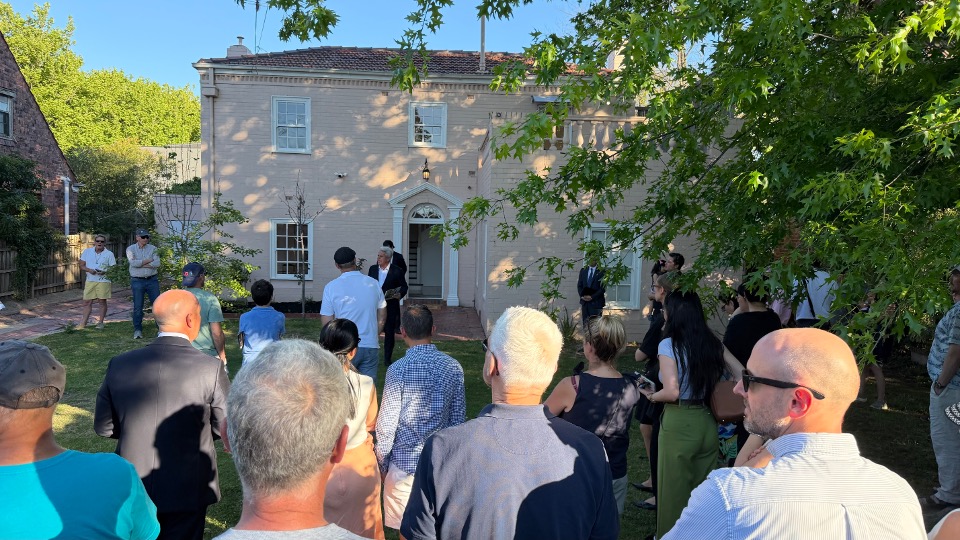
a little ray of sunshine has come into our world!
CONVERSATIONS THIS WEEK
From James Buy Sell, I’m Mal James, with Sim and Kathy. This is Market News.
This is a bumper Spring M3 edition. And it’s our last one for a few weeks, as we head to the Cup. My tip, if it gets a run: Trust Your Instinct.
Every week, we have conversations. Real ones. Profitable ones. Sincere ones.
Conversations about renovating. About selling. About buying. And about where this market is actually going.
That’s the power of a real conversation. Even when it carries a difficult truth, it lets buyers and sellers move. And that’s a really positive thing.
Today’s conversations. Every one of them real. Every one of them from the past seven days. We’ll blur a few details, so nobody gets recognised at their next dinner party.
Here’s what’s inside.
Reserves. Declared reserves are a disaster for top-end sellers. You’ll get no disagreement from any of the key agents. And we’ve always thought this ourselves. We totally support declared reserves for lower-priced homes, the majority of Melbourne. But for the top end? No way. We have a solution. Read on.
The launch of Offmarkets.com.au Nov 15 Designed to help top-end buyers and sellers. It’s our answer to what realestate.com.au and auctions are not doing for the top end.
Renovations. The dos and the don’ts. And whether you should even bother.
Seller conversations. Do you want a price, or do you want to sell?
Buyer conversations. The changeover price, and why there’s no better time to trade up.
Pest and building reports. Why a cautious sentence can cost you a great home. And what to watch for.
But first, the James auction market report.
what's the best marketing tool in this tough market?
i'll say it 'til i'm red in the jacket. it's the asking price dummy!!
MARKETNEWS | A LITTLE SUNSHINE AT LAST?
64% Sold. Low Stock. But Some of the Best Numbers We’ve Seen This Year.
Well, well, well. A little more positive news from Melbourne’s top-end auction market.
Across Boroondara, Stonnington and Bayside/Port Phillip, we monitored 33 scheduled auctions, with 21 properties sold — a 64% sales rate.
- 15 sold at auction
- 6 bought before auction
- 8 passed in
- 3 changed selling method
- 1 withdrawn
Now, before anyone gets too excited, let’s remember we’re dealing with relatively low auction numbers, and these results largely reflect the lower reaches of Melbourne’s top end rather than the $5 million to $15 million-plus market.
But still, credit where credit is due.
These are among the best sets of clearance numbers I can remember this year.
And after some of the shockers we’ve witnessed earlier in 2026, we’ll happily take a little good news.
SOME BUYERS ARE BACK IN THE GAME
In Camberwell, 9 Lofty Avenue sold for $2,695,000, some $145,000 above its $2,550,000 reserve.
Over in Malvern East, 20 Emo Road achieved $2,160,000 against a $1,980,000 reserve. That’s $180,000 above.
And Canterbury’s 22 Selwyn Street sold for $2,350,000, $75,000 above reserve.
Three different homes. Three buyers prepared to pay more than the vendor’s stated minimum.
That’s encouraging.
Not a boom. Not a stampede. But genuine buyers making genuine decisions.
AND SELLERS ARE MAKING DECISIONS TOO
In South Yarra, 27 Tivoli Place sold for $2,470,000 against a $2,800,000 reserve.
In Prahran, 11a Jessamine Avenue sold for $3,530,000 against $3,700,000.
And Camberwell’s 64 Bowen Street sold before auction for $4,300,000 against a $4,500,000 reserve.
Some will focus on the shortfalls.
I prefer to focus on the fact that buyers and sellers found common ground and got on with their lives.
Because isn’t that what real estate is ultimately about?
A buyer finds a home. A seller moves forward. Two parties make a decision that works for them.
A sale doesn’t have to break a record to be a good result.
THE REGIONAL SCOREBOARD
- Boroondara led the way, with 9 of 13 properties sold — 69%.
- Stonnington followed with 6 of 9 — 67%.
- Bayside and Port Phillip recorded 6 of 11 — 55%.
Small numbers, yes. But a noticeably healthier picture than some of the difficult auction weekends we’ve endured this year.
JAMES BUY/SELL — OUR TAKE
Are we out of the woods? By no means.
Stock is low. The sample is small. And the higher reaches of the top end remain a different conversation altogether.
But markets don’t improve overnight. Confidence returns one decision, one negotiation and one successful sale at a time.
And this weekend there were 21 of them.
We spend plenty of time talking about what’s wrong with the market. Perhaps it’s worth acknowledging when something goes a little more right.
Buyers and sellers, not the yellers, are what make a healthy property market.
Everyone wants the best outcome today. Buyers want to buy well. Sellers want to sell well. And when both can move forward feeling they’ve made a good decision, that’s something worth celebrating.
Yay, yay, yay? Well, perhaps not quite yet.
But a little more sunshine than we’ve seen for a while.
And after this year, that’s a welcome start.
CAV observations

our random sample covered to base our commentary
BOROONDARA
CANTERBURY, 4 Erica Street
Agent: Charlie Tostevin – Marshall White
Reserve: $2,500,000
Result: Sold
Sold Price: $2,480,000
CANTERBURY, 22 Selwyn Street
Agent: Geordie Dixon-Sima – Jellis Craig
Reserve: $2,275,000
Result: Sold
Sold Price: $2,350,000
KEW, 7 Rockingham Close
Agent: Lloyd Lawton – Jellis Craig
Reserve: $2,950,000
Result: Sold
Sold Price: $2,850,000
SURREY HILLS, 8 Banool Road
Agent: Charlie Tostevin – Marshall White
Reserve: $2,100,000
Result: Sold
Sold Price: $2,055,000
CAMBERWELL, 9 Lofty Avenue
Agent: Geordie Dixon-Sima – Jellis Craig
Reserve: $2,550,000
Result: Sold
Sold Price: $2,695,000
HAWTHORN EAST, 4 Stanley Avenue
Agent: Chris Daly – Kay & Burton
Reserve: $2,200,000
Result: Sold
HAWTHORN, 14 Bowen Street
Agent: Zen Agnew – Kay & Burton
Reserve: $1,850,000
Result: Bought before
Sold Price: $1,850,000
CAMBERWELL, 64 Bowen Street
Agent: James Tostevin – Marshall White
Reserve: $4,500,000
Result: Bought before
Sold Price: $4,300,000
HAWTHORN EAST, 9 King Street
Agent: Andrew Gibbons – Marshall White
Reserve: $2,100,000
Result: Bought before
Sold Price: $2,125,000
SURREY HILLS, 4 Wandsworth Road
Agent: Andrew Gibbons – Marshall White
Reserve: $3,450,000
Result: Passed in
GLEN IRIS, 70 Rosedale Road
Agent: James Scoones – Jellis Craig
Reserve: $3,400,000
Result: Passed in
KEW, 14 Carnsworth Avenue
Agent: Chris Barrett – Marshall White
Reserve: $2,990,000
Result: Passed in
KEW, 24 Bowen Street
Agent: Hamish Tostevin – Marshall White
Reserve: $2,900,000
Result: Method change
STONNINGTON
PRAHRAN, 11a Jessamine Avenue
Agent: Dean Gilbert – Marshall White
Reserve: $3,700,000
Result: Sold
Sold Price: $3,530,000
MALVERN EAST, 20 Emo Road
Agent: David Sciola – Jellis Craig
Reserve: $1,980,000
Result: Sold
Sold Price: $2,160,000
MALVERN, 32A Cressy Street
Agent: David Volpato – Marshall White
Reserve: $1,770,000
Result: Sold
Sold Price: $1,760,000
MALVERN, 19 Embling Road
Agent: Duncan Fraser-Smith – Jellis Craig
Reserve: $1,800,000
Result: Sold
Sold Price: $1,790,000
SOUTH YARRA, 27 Tivoli Place
Agent: James Paull – Kay & Burton
Reserve: $2,800,000
Result: Sold
Sold Price: $2,470,000
SOUTH YARRA, 56 Mason Street
Agent: Joanna Nairn – Marshall White
Reserve: $2,900,000 to $3,190,000
Result: Bought before
Sold Price: $3,200,000
MALVERN, 8 Canberra Grove
Agent: Grant Wallace – Belle
Reserve: $1,850,000
Result: Passed in
MALVERN EAST, 28 Moama Road
Agent: Nathan Roberts – Buxton
Reserve: $2,350,000
Result: Passed in
MALVERN, 68 Claremont Avenue
Agent: Walter Summons – Belle
Reserve: $4,100,000
Result: Passed in
BAYSIDE/PORT PHILLIP
BRIGHTON, 48 Halifax Street
Agent: Jonty Well – Jellis Craig
Reserve: $2,500,000
Result: Sold
Sold Price: $2,530,000
BRIGHTON, 6 Sargon Grove
Agent: Tas Bartels – Marshall White
Reserve: $1,950,000
Result: Sold
Sold Price: $1,865,000
MIDDLE PARK, 349 Danks Street
Agent: Rohan White – Buxton
Reserve: $2,150,000
Result: Sold
Sold Price: $2,055,000
ALBERT PARK, 374 Montague Street
Agent: Ben Manolitsas – Marshall White
Reserve: $2,500,000
Result: Sold
Sold Price: $2,450,000
ALBERT PARK, 21 Mills Street
Agent: Ben Manolitsas – Marshall White
Reserve: $2,300,000
Result: Bought before
Sold Price: Undisclosed
MIDDLE PARK, 180 Canterbury Road
Agent: Max Mercuri – Jellis Craig
Reserve: $1,920,000
Result: Bought before
Sold Price: $1,920,000
HAMPTON, 38 Imbros Street
Agent: Josh Hommelhoff – Ray White
Reserve: $2,200,000
Result: Passed in
BEAUMARIS, 17 Cannes Grove
Agent: Mark Pearman – Hodges McGrath
Reserve: $2,000,000
Result: Passed in
BRIGHTON, 1 Emily Street
Agent: Michael Martin – RT Edgar
Reserve: $2,400,000 to $2,600,000
Result: Method change
PORT MELBOURNE, 114 Raglan Street
Agent: Arthur Apostoleros – Buxton
Reserve: $1,500,000
Result: Method change
BEAUMARIS, 59 Spicer Street
Agent: Samuel McNeilage – Marshall White
Reserve: $1,650,000 to $1,750,000
Result: Withdrawn
pest and building reports mmmm another conversation
Here’s a problem. Inspectors are paid per inspection. Not for whether you buy. And they’re far more likely to be sued for missing something than for overstating a potential negative.
So reports tend to be very conservative.
By the time you’ve read one, you’re ready to walk away from a perfectly good house.
And many do.
For sellers, it’s worse. One conservative report can turn two bidders into one.
So what standards apply to these inspectors? What training? What rules?
Before governments start making inspections mandatory, and basically destroy sellers with good homes but dodgy inspectors, or even good inspectors with dodgy rules, think again.
Here’s an example. You can’t get under a floor. You take moisture readings on the floors and walls, and they show dry.
Do you write “no evidence of damp”? Or do you write “couldn’t access subfloor, could be major fungal decay and rot”?
Both are correct.
At 28 Gray Street, the inspector who wrote the second version did us a favour. The competing buyer walked away, and we were able to buy well.
Unless, of course, our clients’ inspector got it wrong. But that same inspector has had our clients walk away from a home before. We’ve seen hundreds of his reports, for other clients and for ours. There’s a level of respect. And he’s a qualified builder, not a handyman with a corporate identity.
The lesson? Choose your inspector carefully, read the report with experienced eyes, and don’t let a cautious sentence cost you a great home.
please we don't guarantee an inspector is correct...but
its the changeover $ that count - 5 buy sells this week
BUYER CONVERSATIONS — THE CHANGEOVER PRICE
Now, to buyers. We love working for buyers.
And more buyers are coming to us. Four new clients again this week. The market is accepting where it is, and smart buyers are acting on it.
The conversation we keep having is a happy one.
There is no better market than right now to trade up.
One couple this week wanted certainty. And they wanted low stress.
Here’s the formula for both.
There are no guarantees in any sale. But there is clarity. And clarity brings lower stress.
Focus on the changeover price. The gap between what you sell for and what you buy for.
Say your home might be worth $4 million. Assume you’ll get $3.5 million. Be conservative.
Now look at what you’re buying.
Buy an $8 million home for $6.5 million. Sell your $4 million home for $3.5 million. You’re roughly a million dollars in front of where you’d have been making the same move in 2023.
That’s the opportunity. A better home. A smaller gap. And about as low-stress as a move gets.
Will there be a better market in two or three years?
Maybe. But then you’re guessing.
Right now, the numbers are clear. And for buyers ready to move up, they’re working in your favour.
FIVE DEALS IN A WEEK at JAMES BUY SELL – THE $2M MARKET HAS SOME FIZZ
Five deals. One week. Every one of them done.
Three sales. Two purchases. All in the $2 million range. Over $10 million in total. And five families getting on with their lives.
The first. 5 Thornton, Surrey Hills, with Tim Heavyside. Sold at reserve.
The second. 48 Halifax Street, Brighton, with Jonty Wells.
In week one, we recommended a range of $2.35 to $2.5 million. Some thought that was too low.
But our clients wanted to sell, and a clear, fair range was the way to do it. We’d already bought their next home for them.
About 100 people turned up to the twilight auction. Two bidders fought it out.
Reserve, $2.5 million. Sold, $2.53 million. Above reserve.
Our clients are happy. And they’re moving on.
The third. 4 Erica Avenue, Canterbury, with Charlie Tostevin.
The first auction, at $2.5 to $2.75 million, didn’t sell. So we went again, straight away, while stock levels were low. We kept Charlie, who was diligent and hardworking throughout. And we halved our fee, without being asked.
Second time round, two bidders.
Reserve, $2.5 million. Sold, $2.48 million.
Yes, we’d all hoped for more when we started. But the market moved, and the result is right where the market is today.
And here’s the real win. Our clients didn’t renovate. A renovation could easily have cost them far more than the change, in money, in time, in consultants and builders. Doing nothing wasn’t an option for them. So they changed homes instead. Hand on heart, it was the right call. Well done Charlie and thank you James for auctioning.
The fourth. A purchase. 28 Gray Street, Brighton – James Cherry.
Quoted in the low threes. We bought in the high twos. $300,000 below reserve.
A great property. And patience paid off. We’d missed out once or twice before, and walked away after building and pest reports. Sometimes the right home is the one you wait for.
A quick word on those reports. Inspectors are paid per inspection and can be sued for what they miss, so many lean conservative. Take a subfloor you can’t access, with dry moisture readings on the floors and walls. One report says “no evidence of damp”. Another says “could be major fungal decay and rot”. Both are technically correct.
That second style of report saw the competing buyer walk away. We’d seen hundreds of reports from our clients’ inspector, a qualified builder whose judgement we respect. So our clients bought with confidence, and bought well.
The lesson? Choose your inspector carefully, read the report with experienced eyes, and don’t let a cautious sentence cost you a great home. More on this in a future Market News.
And the fifth. Another purchase. 7 Proudfoot, Mont Albert. Under the hammer. Below reserve. And well below our client’s initial budget.
So the pattern is clear.
Quote them low and watch them go? Not working.
Quote them high and watch them die? That’s still happening.
Quote them fairly, to the market.
That’s what’s working.
declared reserves could be a top end seller shocker
DECLARED RESERVES — GREAT FOR MOST VICTORIANS, A DIFFERENT STORY AT THE TOP END
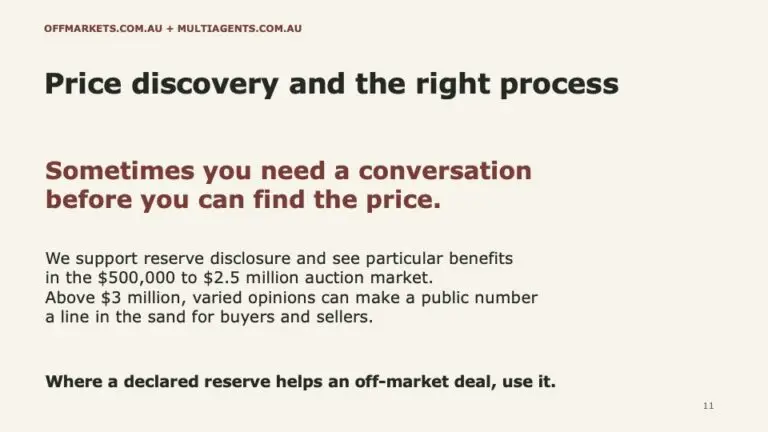
Overall, we support declared reserves below about $2.75 million, and always have. This covers the large majority of Melbourne sales. But above that, EOIs and auctions with declared reserves will generally prove a negative for sellers in this market. Here’s why.
For most Victorians, declared reserves are a good thing. Transparency helps buyers and sellers alike. At that level, auction and declare the reserve. It makes sense.
The top end is different.
You often don’t know exactly what your home is worth. You may have one serious buyer, not a room full. Setting a public figure on the door, after a several-week campaign, can cost you money.
So for the top end, we recommend starting off-market, with multiple agents. Explore the price first. Then decide.
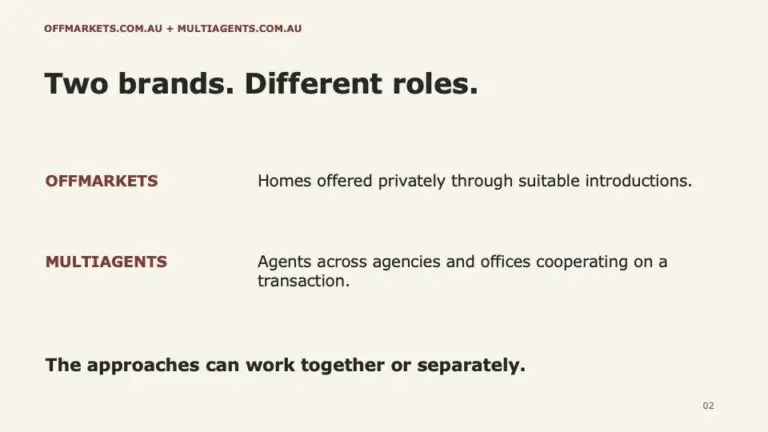
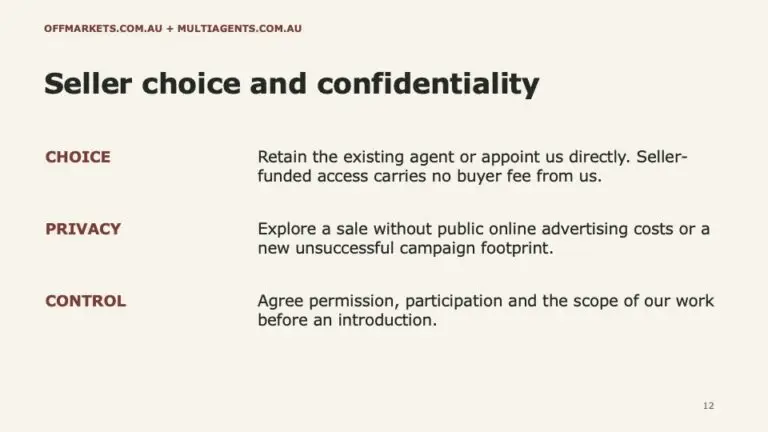
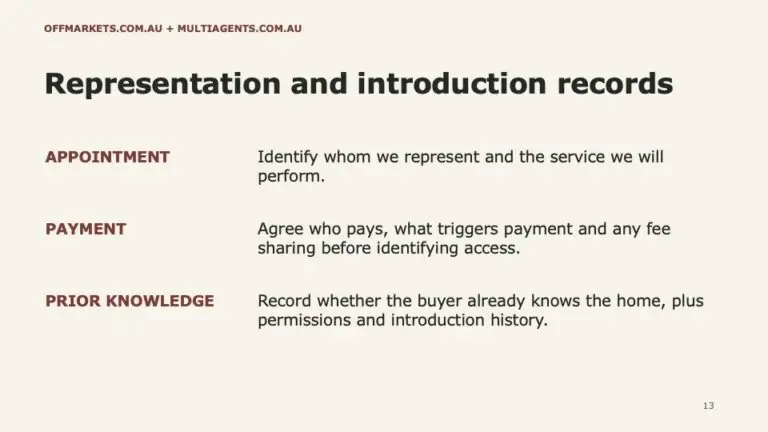
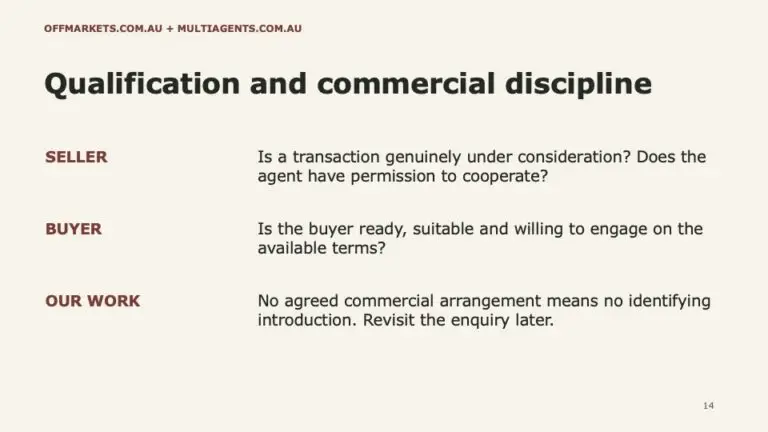
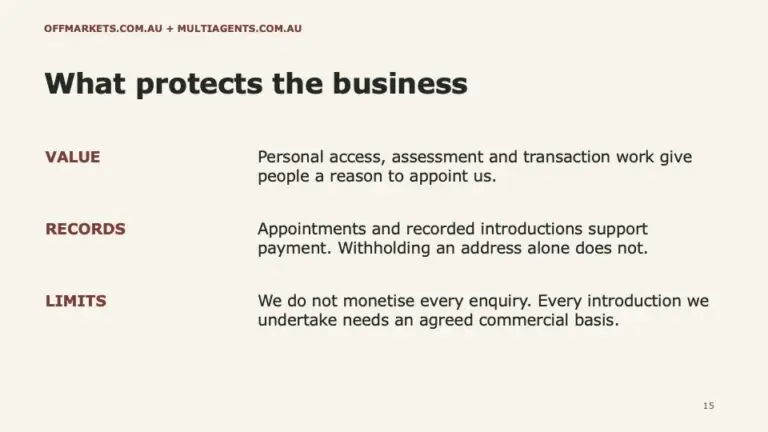
That’s exactly why we’ve built Offmarkets.com.au. A new network to help top-end sellers and buyers find each other.
OFFMARKETS.COM.AU — WHAT’S WORKING
Offmarkets.com.au and MultiAgents.com.au launch in the next two weeks.
Here’s what’s already working.
No public failure. No “passed in” headline following your home around.
No declared reserve. Time to find out what the market will genuinely pay.
More agents, more real buyers. 21 Manor Street sold for $6.2 million. The fifth agent brought the buyer, within four weeks, $200,000 above our clients’ hoped-for price. Agent estimates had ranged from $5.5 million to $7.2 million. Too low, and you give money away. Too high, and you don’t sell. Multi-agent found the real number.
Patience pays. 23 Outlook Drive, Eaglemont, sold this year for $9.15 million, with the same two agents and us working together throughout.
Buyers win too. The best homes are increasingly off-market. Buyers who are plugged in see far more than buyers scrolling the portals.
We have ten off-market assignments right now.
What makes it work best? A realistic price. Off-market explores price beautifully, but it can’t rescue one that’s ahead of the market. And a little patience. It isn’t always faster than a four-week campaign. But slower and successful beats fast and failed.
And competition between agents.
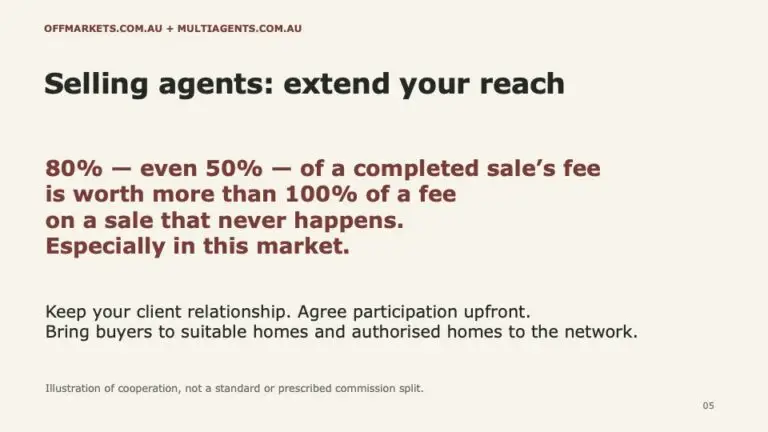
Some agents would rather keep 100 percent of a lower price than share a higher one. On a $5 million sale at 2 percent, that’s $100,000. Sell at $4.5 million alone, and they keep $90,000. Sell at $5 million and share, and they get $50,000. Multi-agent puts sunshine on that.
We don’t want an agent simply competing to keep the whole commission. We want agents competing to find the buyer who will pay the best price.
As I said to a really good agent this week: mate, you share commission inside your own agency every day. Why not with another agency that brings the buyer?
Several agents competing, with an advocate keeping it all in the sunlight, keeps everyone honest. Including us. Our clients talk freely with every agent. Nothing has to go through us.
The seller gets the best price. And well-informed buyers get more choice. Everybody wins.
seller conversations this week
move on with a sale or hold on for a price?
SELLER CONVERSATIONS — DO YOU WANT A PRICE, OR DO YOU WANT TO SELL?
Now, to selling.
Three seller conversations this week. One in Boroondara. One in Stonnington. One in Bayside. All real homes. And each one comes back to the same simple question.
Do you want a price? Or do you want to sell?
First, Boroondara.
A lovely, renovated family home. And a husband and wife who aren’t yet on the same page about selling.
That’s more common than you’d think. And it’s the first thing to sort out. Because a sale works best when both owners want the same outcome.
They’d like a price above what comparable homes have sold for in the estates of Scotch Hill, Tara and Gascoigne. Their home is on a main road. Partly, that number reflects what they’ve spent on the renovation. That’s completely understandable.
But buyers pay for the home and the location, not for what it cost. And the market has moved. That’s nobody’s fault. It’s just the market.
My own self-talk, when I think about what my home is worth today? It happens. Move on, Mal.
They asked about our off-market, multi-agent process. It’s a great process. Off-market does its best work exploring price. But it can’t fix a price that’s ahead of the market. The best buyers see a home once, early. So you want the price right from day one.
Your biggest marketing tool in this market is your asking price.
So we’re not acting for them just yet. When they’re both ready, we’d love to help.
Second, Stonnington.
A couple in a good estate. We spoke three times and went through the property.
They’d already been to market publicly, with a single agent. No offers. Nothing.
Now they want to try again, off-market.
Their price drop? From the top of the original quote to the bottom of it.
That’s not a real price drop. That’s a Coles or Woolies price drop. And buyers can see through it. The good news? A genuine price reset is the fastest way to bring buyers back. And it’s entirely in the seller’s hands.
They also wanted us to manage the sale, while they kept talking to all the agents directly.
Now put yourself in an agent’s shoes. The vendor talks to you. Then hires Mal and Sim. Then Mal and Sim ring and ask you to bring a buyer. How enthusiastic would you be?
Agents are human. They have families. They have egos. Like the rest of us.
And right now, many sellers want a zero-sum outcome. Everything for them. Nothing for the agent.
Here’s the positive flip side. When everyone at the table can win, agents work harder, bring better buyers, and sellers get better results. Win-win isn’t soft. It’s smart.
So our honest advice was to go with one of the agents they’d already met. She has good local homes, brings in buyers, has a great bedside manner, and a long track record in all markets. In different circumstances, a multi-agent campaign could add real value. Here, she was the better fit.
When we spoke to her, she thanked us, and she’ll be making a donation to the child surgery program through Rotary.
Sometimes the best advice is: not us. And everybody wins.
Third, Bayside.
A tenanted home, with an excellent rent.
A great position to be in. And a great reason to plan the sale carefully.
Because once buyers start walking through, a tenant paying that rent may well start looking elsewhere. If the home then doesn’t sell, you could have no tenant, no sale, and around $1,500 a week in furniture costs to present it.
So our advice was simple. Sell, by all means. We’d love to help. Just be sure you want a sale, not only a price. Then set the campaign up to deliver one.
Here’s something we know.
None of us has ever met a seller with a firm price below the market. Not once. Myself included.
Sellers chasing a price, mostly, aren’t selling.
Sellers chasing a sale, mostly, are. And right now, they’re getting on with their lives.
renovation conversations - no growth to cover errors
RENOVATIONS — DON’T SPEND $1 MILLION TO STAND STILL
This week’s letter came from Tracey Danaher.
She and her husband want to renovate, and stay eight to ten years. They don’t want to overcapitalise. And many of their friends are asking the same thing.
Her three questions.
One. How do we decide in a falling market, with building costs rising every week?
Two. How do I know when I’m spending too much for my house, my street, my suburb?
And three. Where do I actually put the money? A proper fourth bedroom? The laundry? A granny flat?
Good questions. Today, the first one. After the Cup, a special renovation report on the other two.
THE BIG PICTURE — CLARITY, NOT DOOM
So, Tracey. You’re right.
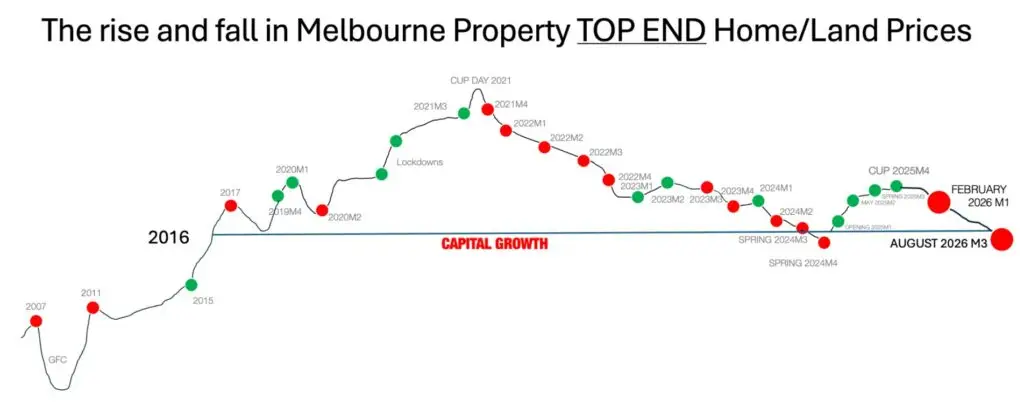
We don’t see strong capital growth returning to Melbourne’s top end quickly.
Google Asian FIRB applications between 2016 and 2021. Record levels, down to a trickle. Add the stamp duty surcharges, land tax, vacancy taxes, and a national debate about cutting migration. Some successful Australians have simply moved overseas, and taken their capital with them.
Property is demand and supply. Less money at the top, and the top slows. The middle follows.
That’s not doom. It’s just the market we’re in. And the people who do well in it are the ones who see it clearly.
Because here’s the good news. When growth isn’t doing the heavy lifting, smart decisions matter more than ever. And smart decisions are entirely in your hands.
TRACEY’S RENOVATION QUESTIONS — SO WHAT ARE THE ANSWERS?
Parts of the top end have eased 10 to 20 percent this year. Homes needing big renovations have been hit hardest.
Take a $4 million home. Spend $1 million renovating. In this market, you may still have a $4 million home. Just with a bigger mortgage.
So renovation has changed. It’s no longer a guaranteed path to capital growth. It’s about lifestyle, and fixing what doesn’t work. Different purpose. Different spending rules.
Renovate for the ten years of enjoyment. That has real value. Just don’t confuse what you spend with what you’ll get back.
And sometimes, the smartest renovation is no renovation at all.
In this market, you’ll take a discount on your sale. But get a bigger discount on your purchase, and you trade up well ahead of where you’d have been at the peak. One of the sales we were involved in this week was exactly that call. Hand on heart, it was a far better outcome than a renovation.
So before you spend a dollar, ask one question. Renovate? Or buy and sell?
It’s a conversation we have with clients every week.
COUNCILS AND CONSULTANTS — MORE EXPENSIVE THAN BRIBES
Now, I’m going to be controversial.
Over dinner last night with Mike, Annie and Deb, we got talking about baksheesh and rishwat. Wheel-greasing money, and bribery. In parts of India, Pakistan and Africa where I do a lot of work, people know the difference.
Pay a $1,000 bribe there, and we’d call it corrupt.
In Melbourne, we pay $10,000, many times over, to NOT get something done.
I’m not talking about great architects or good engineers. They add value. I’m talking about the consultants you now need just to get a simple answer from council.
Is this property heritage-affected or not? That should be a one-minute phone call. Instead, it’s weeks for the consultants, a month for council, and a meter ticking over in thousands.
$50,000 to $100,000. Before a single brick.
No wonder so many renovations are going underground. We see it in the homes we rate every week. And unpermitted work can void your insurance and blow up a sale.
So, Tracey. Find out early exactly what can be done within your footprint without a planning permit. Kitchens. Bathrooms. Joinery. Light. That’s often where the value is.
Get the right advice on where the line sits, before you spend a dollar on designs. And stay on the right side of it.
WHERE SHOULD THE MONEY GO? A PREVIEW
Never renovate a good four or five-bedroom house into a three.
A walk-in robe where a bedroom used to be. A home cinema. A bathroom the size of a tennis court. Hundreds of thousands spent, and a whole slice of future buyers ruled out.
Go the other way. If you can add a good fourth bedroom, that’s smart money. Same with side-by-side parking on a city block.
And above everything, light. Light, space and flow drive both happiness and resale value.
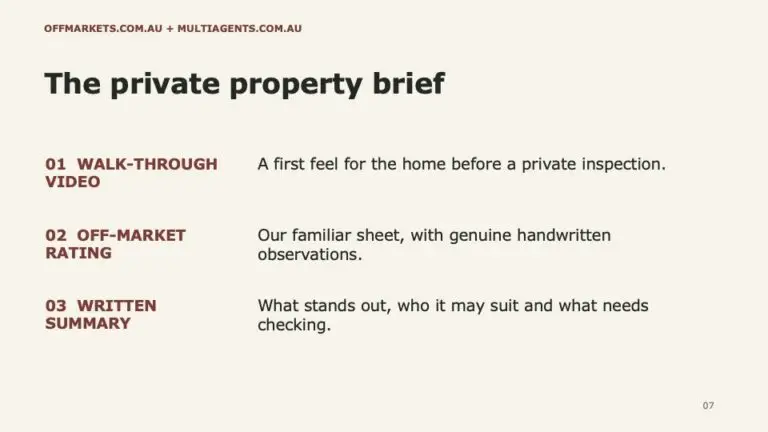
Years ago, a former colleague, Adam Woledge, put me onto A Pattern Language, by Christopher Alexander, published in 1977. I still reopen it every year. Many of the ratings we use when we assess homes come from it. Read it before you spend.
More after the Cup. Thank you, Tracey. And keep the letters coming.
james public buy sells in the last seven days
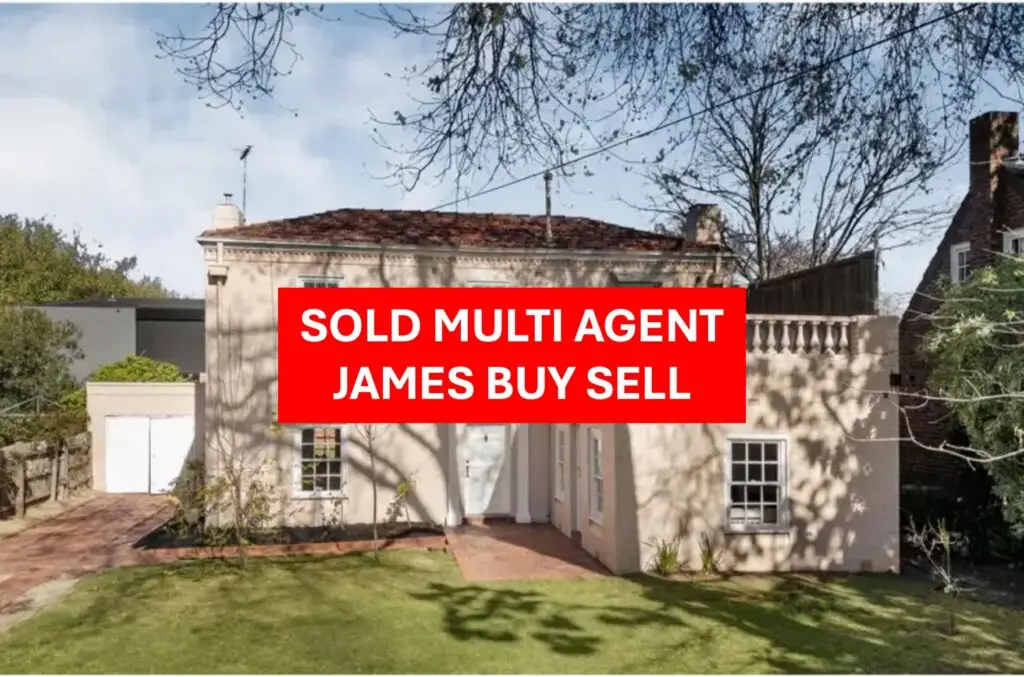
This is James Marketnews. That’s the week.
Next edition: Reno 101 – how and where to spend the dollars or whether to move on and buy better.
From James Buy Sell, I’m Mal James, with Sim, Den, Randall and Kathy.
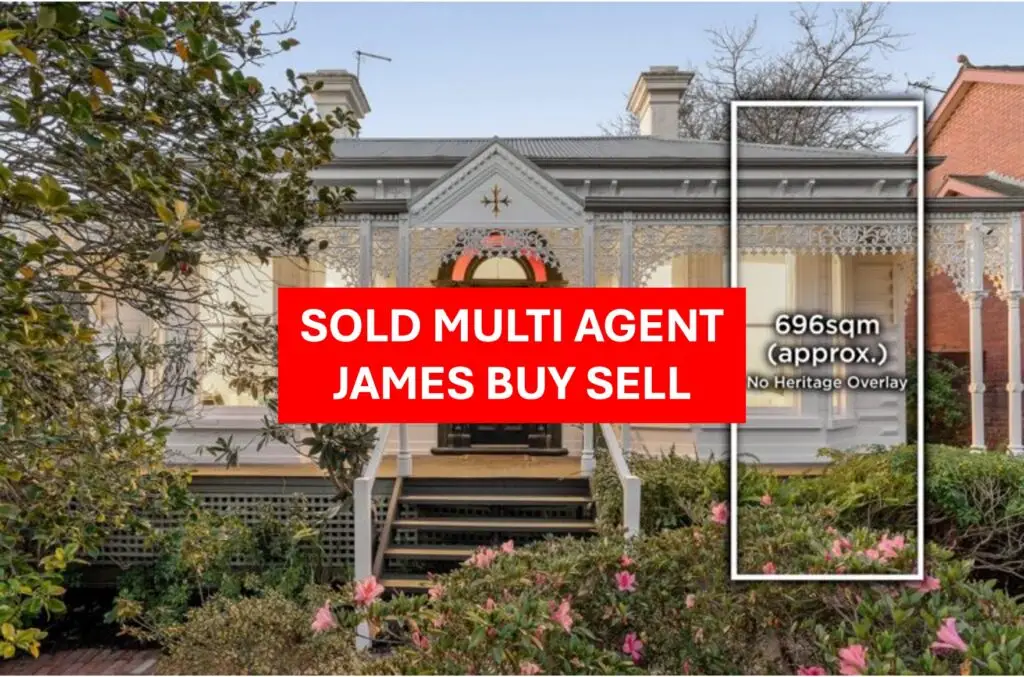
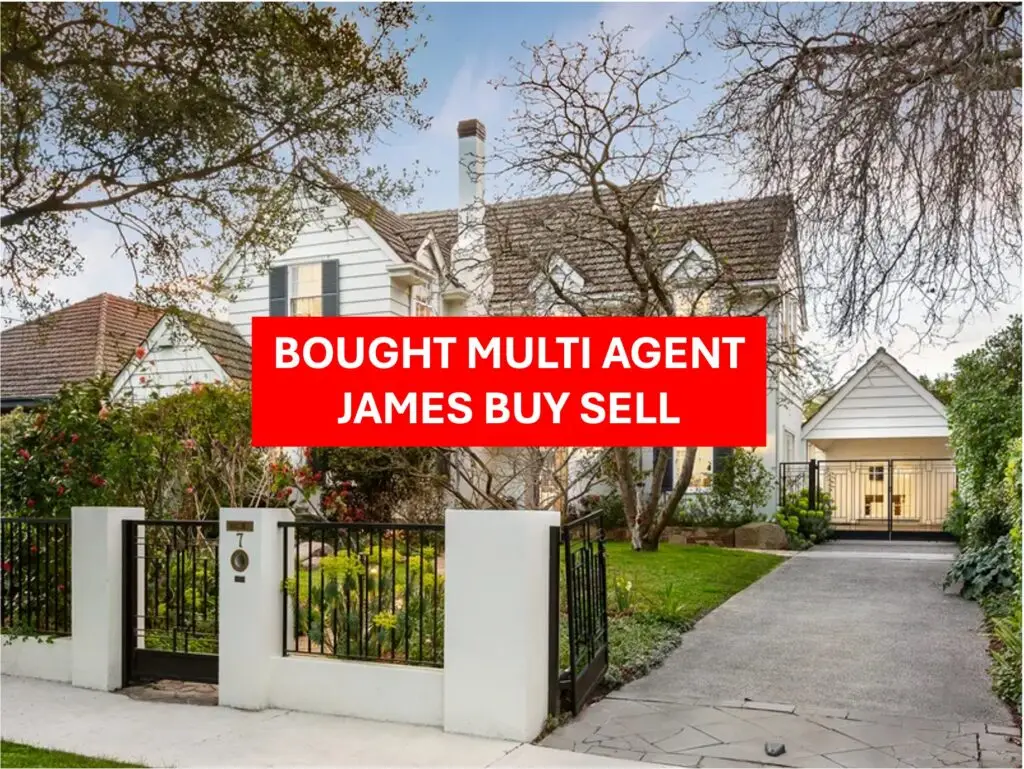
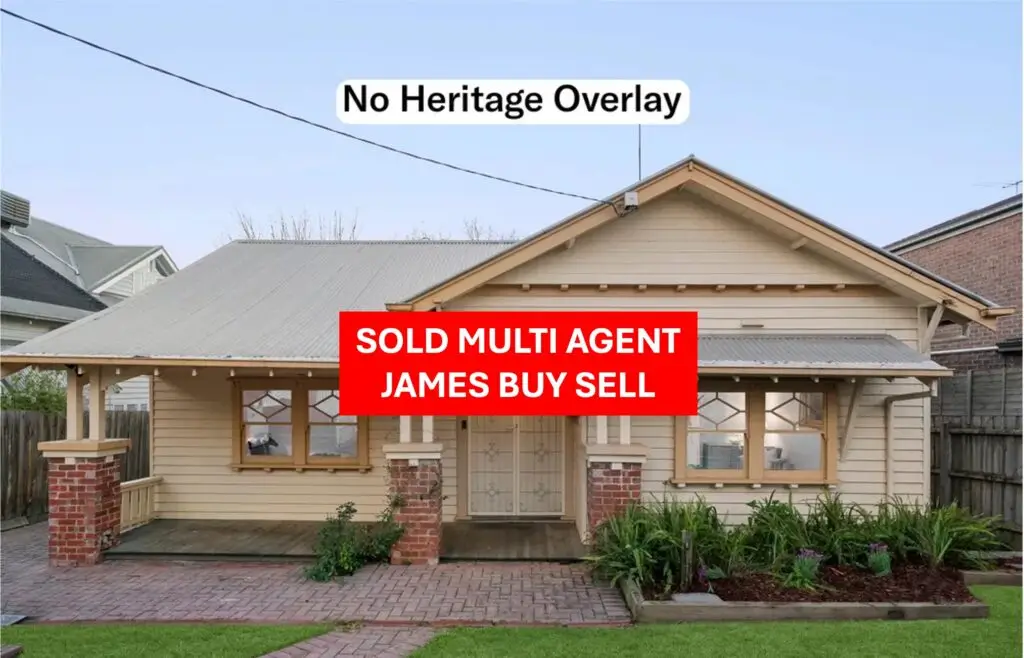
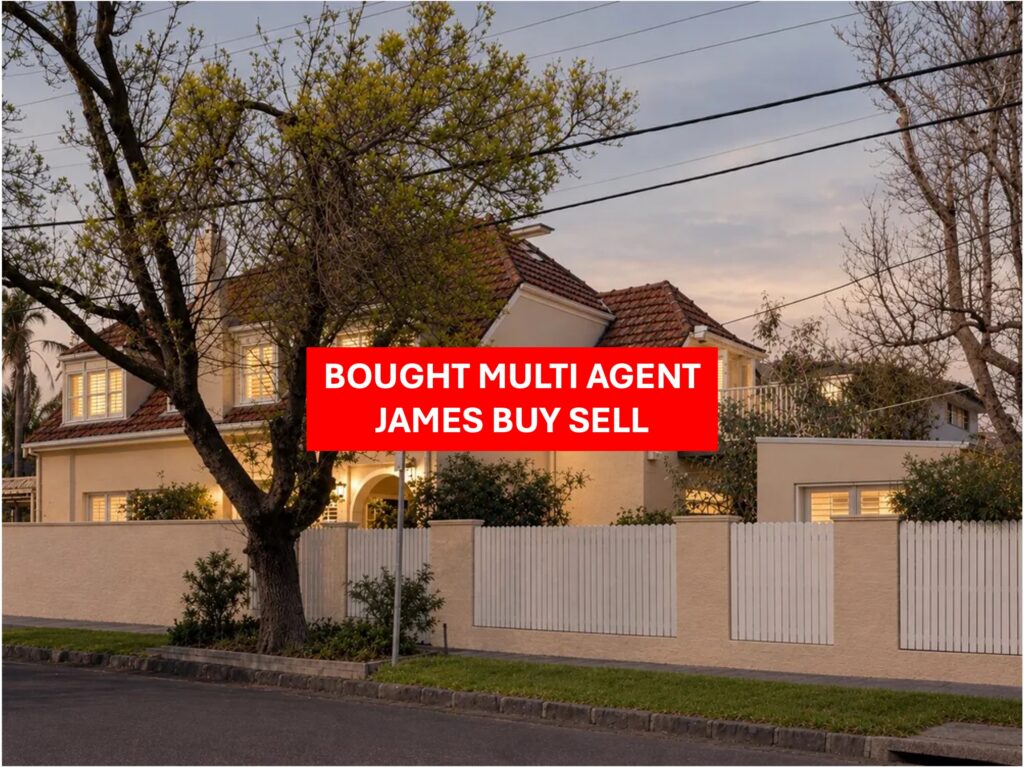
launching offmarkets.com.au November 15

real results proven business model x 100 times
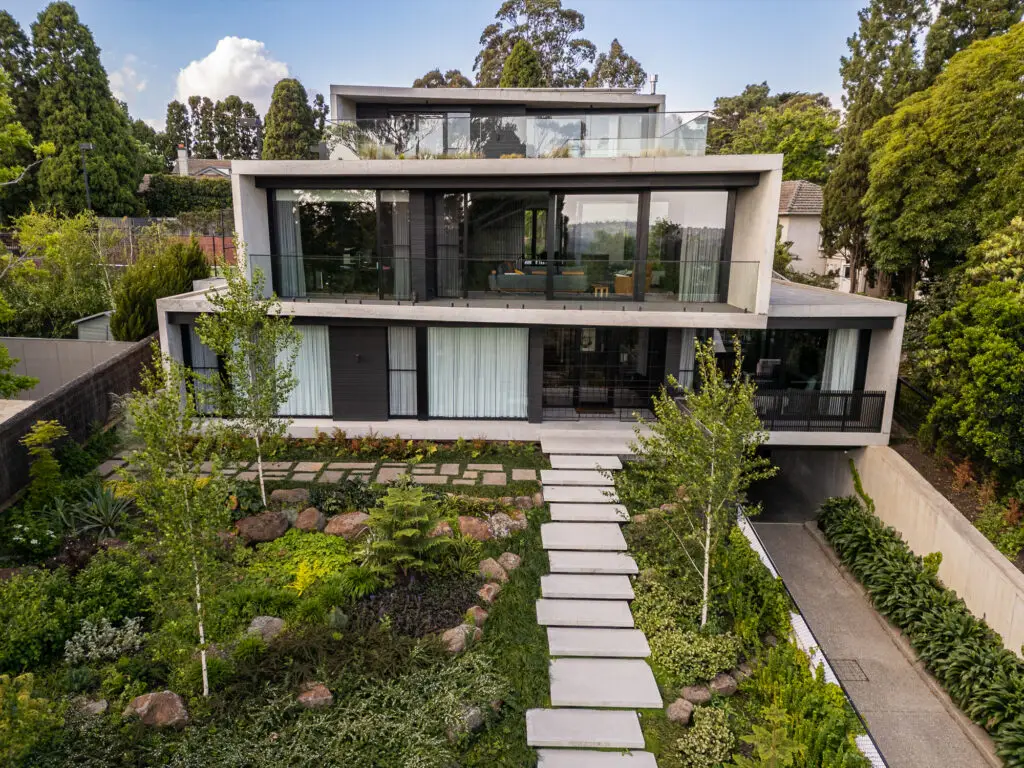
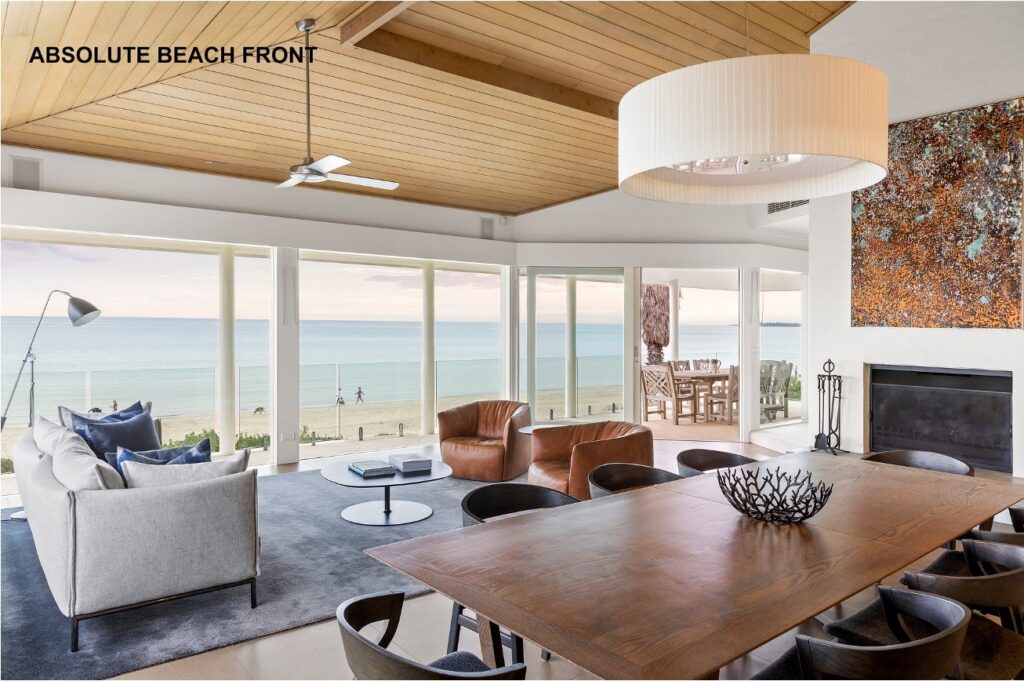
slide deck




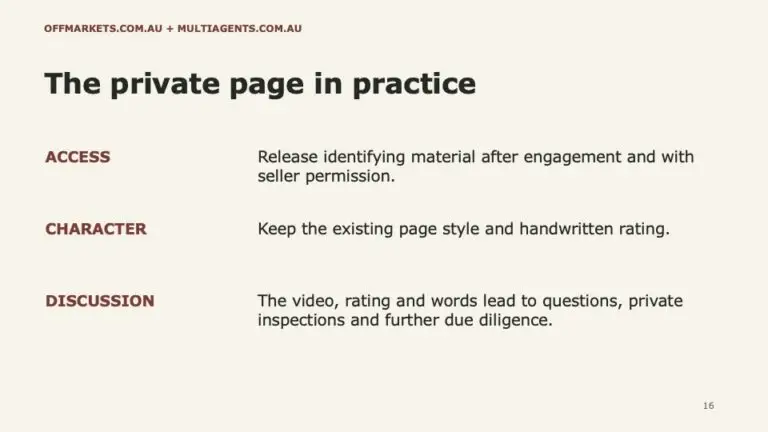
expressions for lawyers. brokers. presentation cos
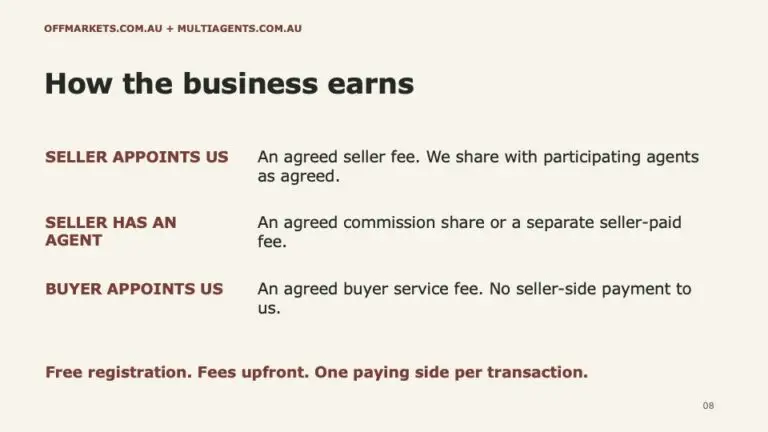
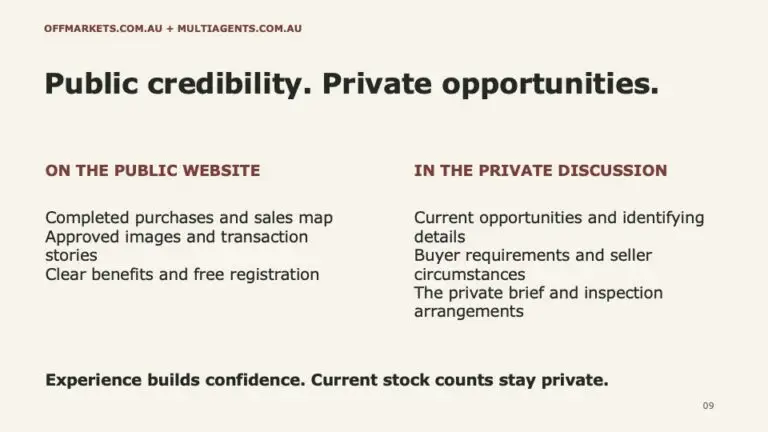
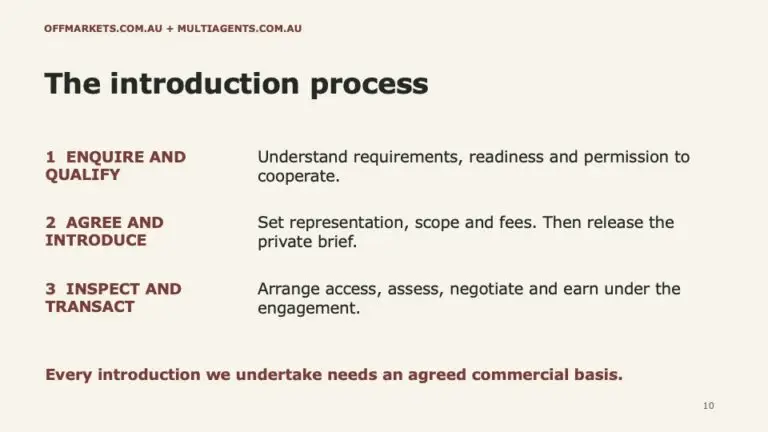
EXPRESSIONS OF INTEREST in OffMarkets.com.au and MultiAgents.com.au
We’re launching at OffMarkets.com.au and MultiAgents.com.au to expand our already existing business.
Since 2002 over $1billion Mal James 0408 107 988 Simone Clarke 0400 304 111
We’re looking for people
A lawyer with expertise in property law to provide optional conveyancing services.
A home presentation company to provide optional property preparation and presentation services.
A mortgage broker or financier to provide optional finance services.
You’ll need to be price competitive, efficient in turnarounds and understand how off-market and multi-agent processes can work together, alongside other agents with other ways of buying and selling property.
James Buyer Advocates never takes referral fees for recommendations but we do hope you can make a donation to the world child surgeries program for each job delivered.
We’re looking for experienced people who work well with others and put buyers’, sellers ’, and communities’ interests first, and then, when the job is done well, to our mutual clients satisfaction you are well remunerated.
Interested? Please contact Mal James 0408 107 988 or Simone Clarke 0400 304 111 at mal@james.net.au or simone@james.net.au
THIS WEEK AT JAMES ON THE SELLING SIDE
- Elsternwick — around $6 million. A beautiful family home on large land.
- Camberwell — around $7 million. A home over three levels with a pool.
- East Melbourne — around $9 million. A renovated family home with parking and a garden.
- Surrey Hills — Between $4–5 million. A stunning renovation on large land.
- Kew — around $4 million. A home ready to move into.
- Ashburton — towards $4 million. A large family home backing onto parkland.
None of these selling properties are publicly advertised. And this is only a sample.
THIS WEEK AT JAMES ON THE BUYING SIDE
- Armadale — around $8 million. Our buyers are happy to renovate.
- Toorak — around $9 million. A home ready to move into.
- Grace Park — around $5 million. Some work is acceptable.
- Tara Estate, Grace Park or Scotch Hill — around $4 million. A substantial renovation is fine.
- Brighton — around $3 million. A home ready to move into.

FRESH FRESH ONES IN
RATINGS
BALWYN, 34 Power Street 700
HAMPTON, 38 Imbros Street 684
MIDDLE PARK, 349 Danks Street 644
SURREY HILLS, 15 Albany Crescent 710

JAMES HOME RATINGS
VALUE & GROWTH PERSPECTIVES
??
?? $??
??
??
JAMES SELLER ADVOCATES
Our reserve is always within the quote
LAST WEEK
JAMES HOME RATINGS
We visit every home, plus we value them, plus we cover many many more that are off market for our clients
AUGUST 29 2026
STONNINGTON
BOROONDARA
AROUND THE BAY
Inner City & Inner North
JAMES BUYER ADVOCATES
Client’s we are looking to buy for
| Price | Property | Position |
| Low to mid $4ms | Family home, good land, room for pool and basketball, open to doing work | Surrey Hills, Camberwell, Canterbury, Kew and surrounds |
| $1.8m | Apartment | East Melbourne |
| $5m to $7m | Period home to renovate or move-in ready | Armadale |
| Circa $2m | Townhouse | Richmond through to Carnegie |
| Up to $4m, or $1.5m house for daughter | Family home | Prahran |
| Up to $2m | Small home with car parking | Prahran |
| Circa $2.5m | Family home with more living space than they currently have | Port Phillip, Middle Park / Albert Park |
| $1.4m to $1.5m | Single-fronted home | Richmond |
| $2.5m to $2.8m | 4-bedroom family home, move-in ready | Brighton, Hampton |
| $6m | Move-in ready | Tara Estate, Scotch Hill, Grace Park |